November 19, 2026
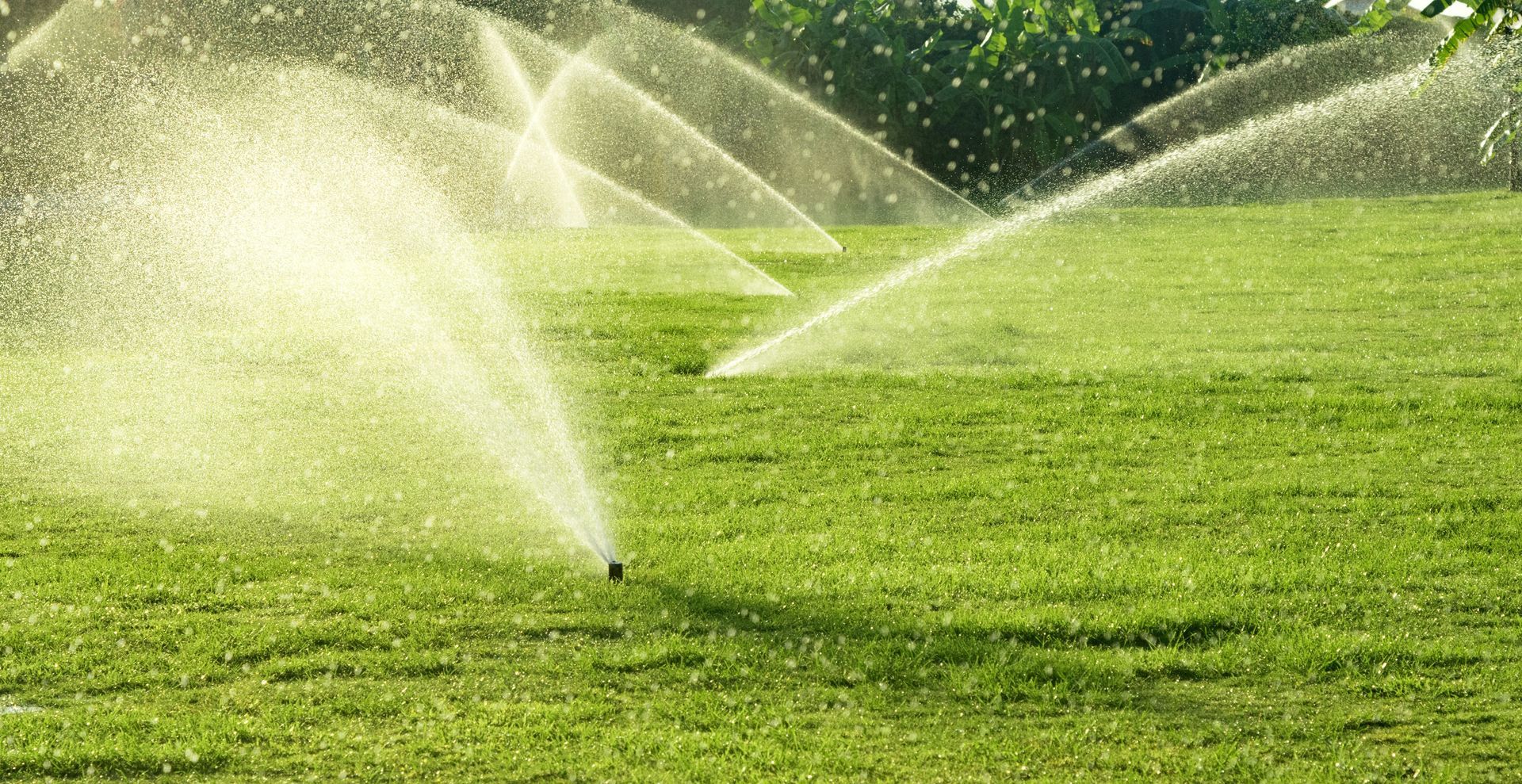
Keeping a residential lawn and garden beds lush throughout warm summer months requires consistent, balanced moisture that hand-watering rarely achieves. Dragging hoses across the yard every evening takes valuable time and often leaves some areas soggy while others dry out prematurely. An automated underground sprinkler system solves these frustrating routines by delivering targeted hydration directly to root zones on a dependable schedule, helping turfgrass, shrubs, and ornamental plantings thrive across changing weather conditions and prolonged summer heat waves.
However, the long-term performance of an automated sprinkler setup depends heavily on thoughtful engineering, proper hydraulic calculations, and careful installation. Choosing the right lawn irrigation contractor ensures your system matches your soil type, yard slope, water pressure, and plant varieties without wasting resources or damaging existing turf. Asking clear, practical questions before hiring a professional helps you compare providers objectively, understand their technical approach, and feel confident in the workmanship behind your landscape.
1. How Do You Design Zones for Different Yard Conditions?
Every residential property contains distinct microclimates with noticeably different watering requirements. Sunny stretches of open turfgrass lose moisture rapidly through daytime evaporation, whereas shaded garden beds, sloped embankments, and foundation plantings require gentler, less frequent application. If sprinklers spray uniformly across mismatched areas, shaded corners quickly become waterlogged and prone to fungal disease while sun-drenched grass turns dry and brittle.
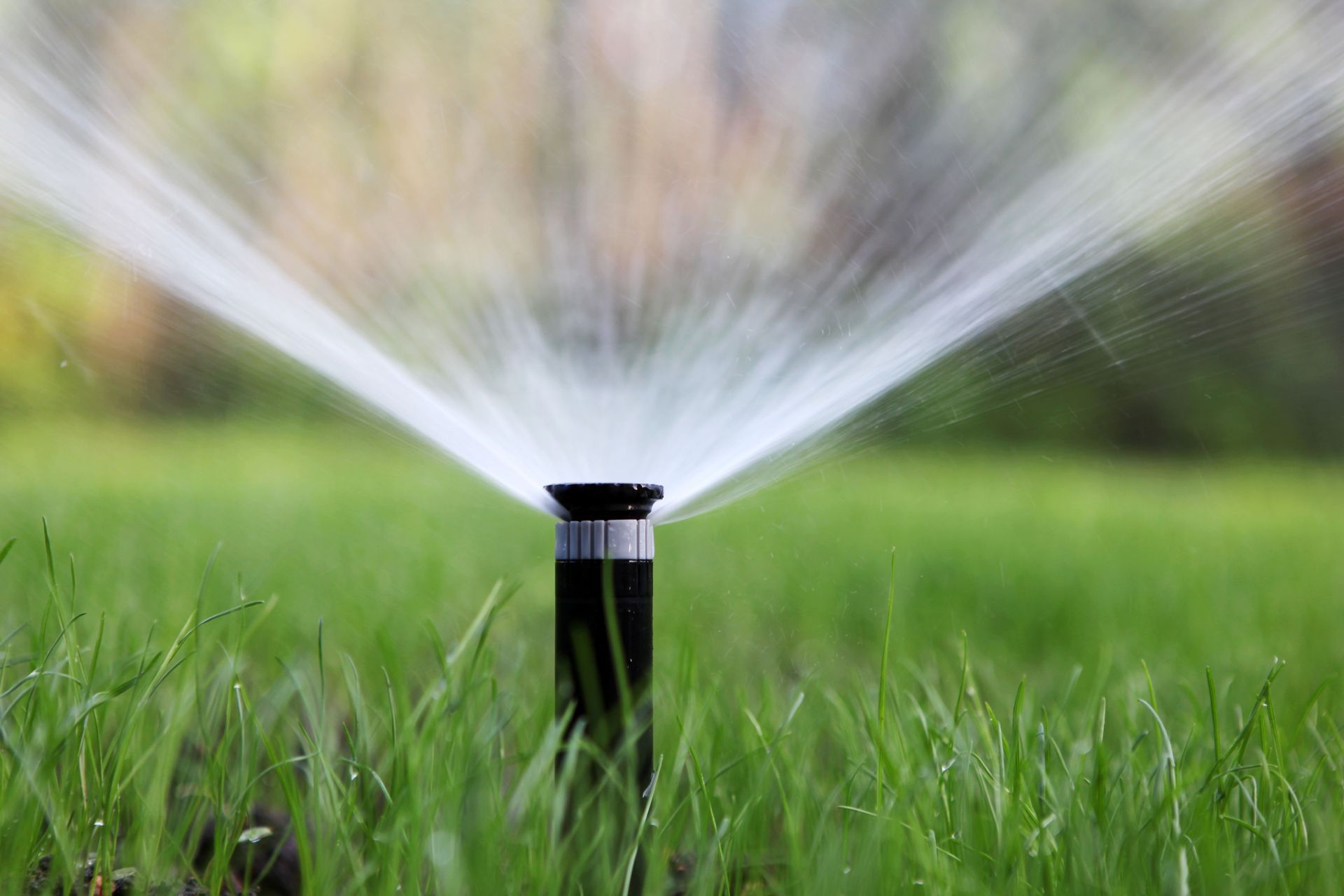
A qualified lawn irrigation contractor evaluates your entire property thoroughly before drawing up a layout, measuring static water pressure, dynamic flow rate, soil absorption capacity, and sun exposure throughout the day. Based on those observations, the technician separates your yard into dedicated hydrozones, pairing rotary heads for broad lawn areas with fixed spray nozzles or low-volume drip lines for flower beds, vegetable gardens, and shrubbery. Custom zoning guarantees that each section of your landscape receives the exact volume of water it needs to flourish without runoff or dry patches.
2. How Do You Ensure Proper Backflow Prevention and Code Compliance?
Connecting an underground irrigation network to your home water supply involves important health, safety, and regulatory responsibilities. Whenever water pressure drops suddenly in municipal supply lines due to heavy neighborhood demand or hydrant use, standing water inside irrigation pipes can siphon backward toward household plumbing. Without an approved backflow prevention device, fertilizers, soil bacteria, and lawn treatments could contaminate clean drinking water inside your home.
Asking about local permitting and backflow protection reveals how seriously a lawn irrigation contractor takes safety standards and municipal regulations. Experienced installers determine which backflow assembly—such as a pressure vacuum breaker or reduced pressure zone valve—satisfies local plumbing codes and position it in an accessible, code-compliant location. Confirming that the company handles required municipal permits, assembly testing, and inspection protocols protects both your household water supply and your property records for years ahead.
3. How Do You Integrate Smart Controllers and Weather Sensors?
Traditional timer-based sprinkler boxes operate on rigid schedules regardless of recent rainfall, ambient humidity, or seasonal temperature shifts, often watering lawns right in the middle of a summer rainstorm. Modern irrigation technology replaces manual guesswork with responsive automation that adjusts watering cycles automatically based on real-time environmental conditions and local weather data.
Efficient automation makes a measurable difference in household resource stewardship and long-term landscape vitality. According to the U.S. EPA, a properly managed irrigation system can decrease household irrigation water consumption by 15%, which equals nearly 7,600 gallons every year. Asking how a provider incorporates wireless rain sensors, soil moisture probes, and Wi-Fi-enabled weather-based controllers helps you build an adaptable system that keeps your yard healthy while eliminating unnecessary water waste and driveway runoff.
4. How Do You Minimize Disruption to Existing Landscaping During Installation?
Homeowners who have already devoted years of care to established lawns, mature tree roots, stone walkways, and perennial borders naturally worry about heavy trenching equipment tearing up their yard. While installing underground lateral piping, mainlines, and valve manifolds inevitably involves soil work, skilled crews rely on specialized techniques and compact machinery to keep surface disruption remarkably neat.
Before excavation begins, ask how the installation team locates and marks underground utility lines, navigates carefully around delicate tree root systems, and bores piping beneath existing sidewalks or driveways without cutting concrete. Many crews utilize vibratory plows that pull flexible polyethylene pipe cleanly beneath the sod with minimal turf disturbance, carefully lifting and replacing sod strips where wider trenches are required for valve boxes. Knowing how the crew protects hardscapes, grades disturbed soil, and cleans up work areas ensures your yard looks clean and tidy immediately after installation wraps up.
5. How Do You Handle Seasonal Maintenance, Startups, and Winterization?
Even the finest underground sprinkler components require routine seasonal attention to remain reliable year after year. In regions that experience freezing winter temperatures, water remaining inside lateral pipes, solenoid valves, or backflow assemblies expands as it freezes, cracking fittings and ruining vital hardware. Likewise, spring startups require gradual line pressurization, head alignment checks, filter cleaning, and nozzle arc adjustments after months of winter dormancy.
Partnering with a full-service lawn irrigation contractor simplifies ongoing care by giving you a dedicated point of contact for spring activation, mid-summer performance tune-ups, and autumn winterization blowouts. Ask whether the company offers scheduled seasonal maintenance plans, how technicians inspect sprinkler heads for clogs, sunken bodies, or shifting spray angles, and how quickly service crews respond if a line is accidentally nicked during routine gardening, core aeration, or landscaping work.
6. How Do You Provide System Training, Warranties, and Ongoing Support?
Once trench lines are closed and sprinkler heads are calibrated for head-to-head coverage, you still need to feel comfortable operating your new system from day to day. A reliable provider never simply leaves behind a printed manual and drives away; instead, technicians walk you through smart controller programming, smartphone app features, manual zone testing, and seasonal schedule adjustments so you understand how everything functions.
It is equally helpful to ask about workmanship guarantees and manufacturer component coverage before signing an installation agreement. A dependable lawn irrigation contractor stands behind underground pipe connections, valve manifolds, and waterproof electrical wiring while clearly explaining warranty terms on controllers, rotors, spray bodies, and weather sensors. Having clear written documentation, labeled zone maps, and responsive customer support ensures lasting peace of mind whenever questions or seasonal adjustments arise.
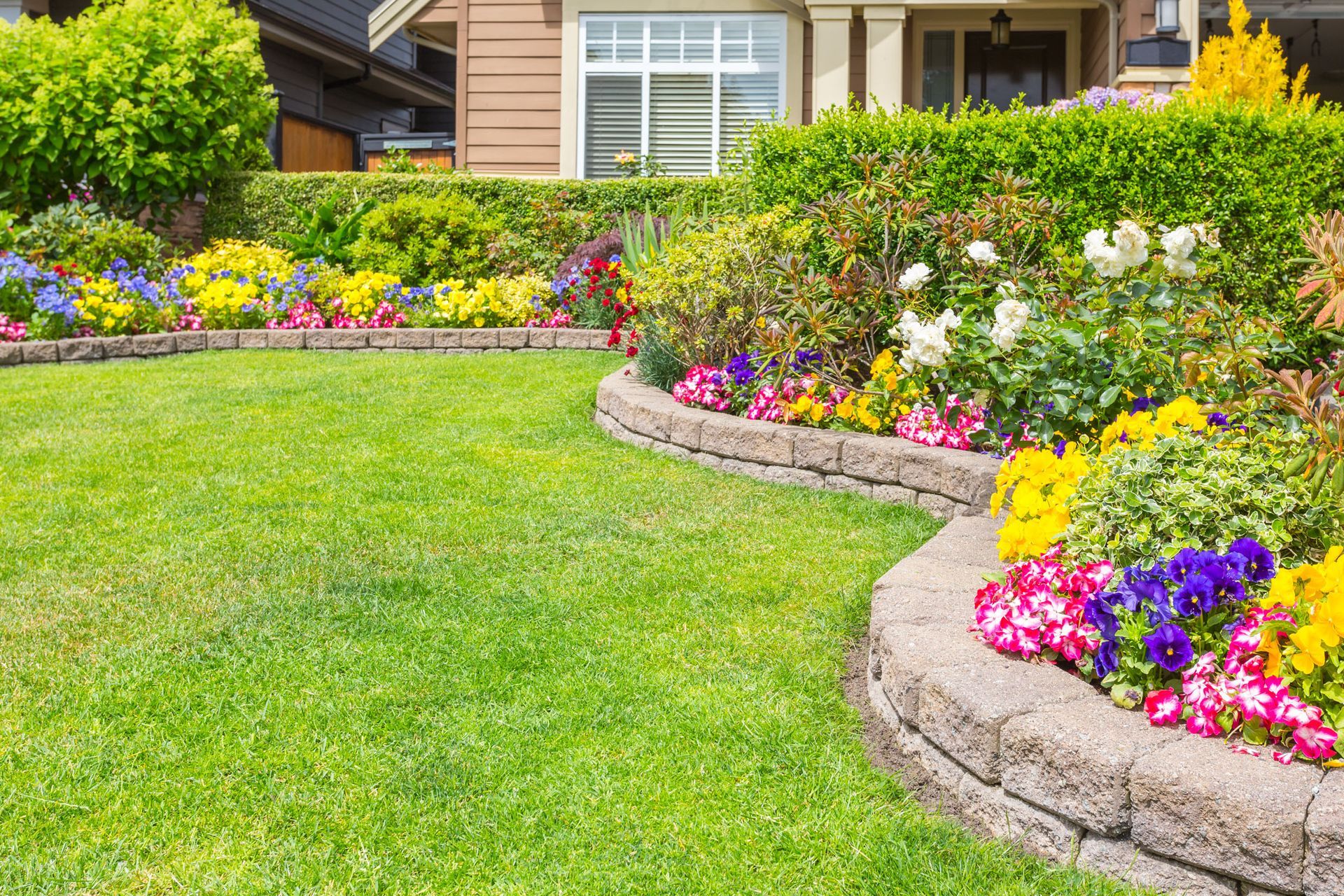
Installing an automated sprinkler system is among the most rewarding upgrades you can make for the ongoing health, resilience, and curb appeal of your outdoor space. Taking time to ask a prospective lawn irrigation contractor about custom hydrozone design, backflow compliance, smart weather technology, careful installation practices, seasonal maintenance, and warranty support helps ensure your landscape receives consistent, accurate hydration across every season. With thoughtful planning, durable commercial-grade components, and skilled craftsmanship behind your system, your lawn, shrubs, and flower beds will stay vibrant, healthy, and welcoming throughout every warm month without the daily chore of manual watering. Preparing your questions ahead of an on-site consultation sets the foundation for clear communication and dependable outdoor results.
If you are ready to enjoy a healthier, greener lawn with an automated sprinkler system designed for lasting performance, contact a lawn irrigation contractor at Lakeview Farms Landscaping & Maintenance Inc today. We will help you plan, install, and care for a custom irrigation solution tailored to your property.